
One Starting Point, Many Imaginations
A simple photo-based method for creativity, communication, invention, and confidence
“You’re not teaching one subject – you’re building habits of mind.”
“The larger Idea“
The most important outcome may not be the picture at all. The picture simply makes thinking visible. The deeper skills are habits that travel into many parts of life: seeing possibilities, making decisions, revising without giving up, communicating clearly, listening and responding, speaking in front of others, and turning an idea into something real.
The same basic method can extend beyond visual art. A photograph can become a story. A rough story can become a scene. A scene can become a chapter. A classroom object can become an invention. A science observation can become a visual explanation. Large creative skills can be broken into fast, finishable acts of creation, giving students a sense of progress early enough that they want to continue.
That is the educational promise of the format: not a shortcut around learning, but a faster route into active learning.
1. Why this format is different
Many creative activities require students to master a tool before they can enjoy the creative payoff. Video editing, illustration software, and traditional art techniques can be rewarding, but the learning curve can delay the moment when a student sees an idea come alive.
A photo-based AI project shortens that distance. A student can begin with something familiar – a classroom object, a leaf, a shoe, a rock, a stapler, a toy – and quickly test what it might become. The student still has to make choices. The speed simply keeps the idea moving.
The aim is not to replace drawing, painting, building, writing, or outdoor play. It is to add another doorway into creativity – one that is especially accessible to students who may have strong ideas but do not yet have the technical skill to render them by hand.
2. The classroom learning loop
Look – start with a real photo, object, scene, shape, or texture.
Imagine – ask what it could become, represent, solve, or teach.
Create – make a first version quickly.
Compare – decide what works, what feels wrong, and what should stay from the original.
Refine – improve the idea without losing its identity.
Explain – describe the choices in speech or writing.
Share – present the result and answer questions.
The same rhythm can be used at many ages. What changes is the depth of the task, not the basic structure.
3. One photo, many minds
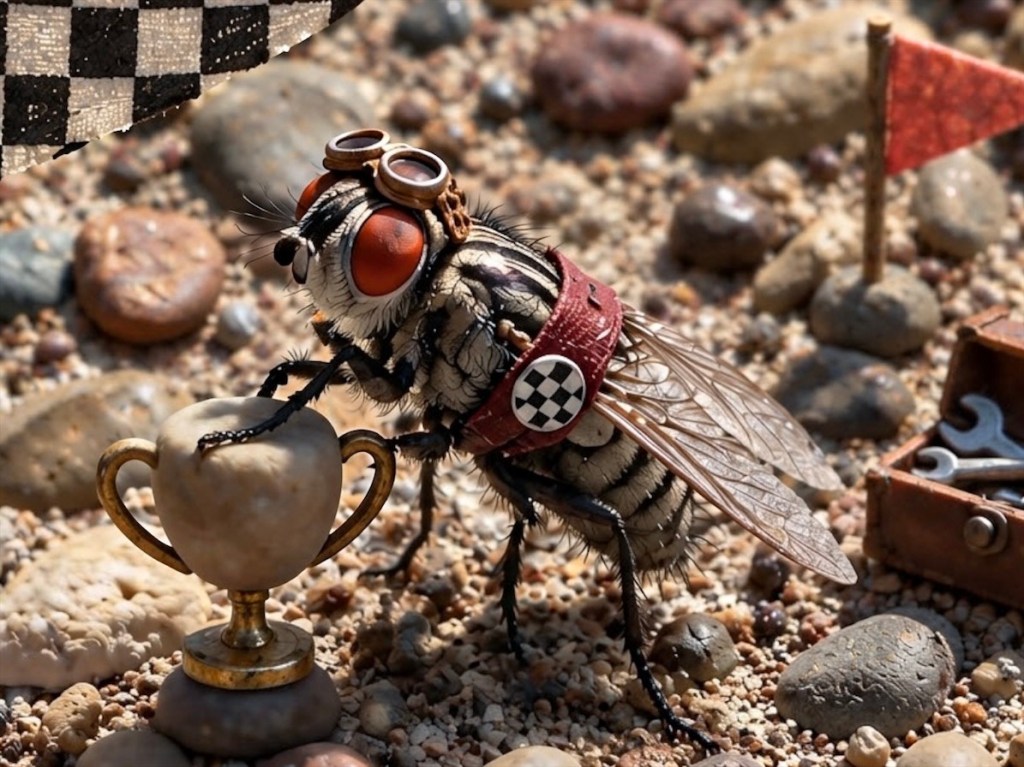
One of the simplest classroom activities is to give every student the same starting photograph. The value is not in producing one “correct” image. The value is seeing how differently people think when they begin from the same visual seed.
Students learn that creativity does not have one right answer.
They can compare ideas without needing to compare drawing skill.
Teachers can ask students to explain why their versions diverged.
Classmates can learn to notice and respect different approaches.
The project can be judged by originality, reasoning, communication, humor, realism, usefulness, or preservation of the original object – not only by beauty.
4. A project that fits inside one class period
The format is teacher-friendly because a project can have a clear beginning and a visible finish in one class. A discussion or presentation can happen later, but students can leave the room with something completed.

5. The communication layer
The visual result creates a natural reason to speak and write. Students are not being asked to talk about an abstract assignment; they already know the story because they made the decisions.
What did you photograph or start with?
What did you see in it that other people might not have noticed?
What did you turn it into?
What did you keep from the original?
What did you change after the first version?
What surprised you?
What would you do differently next time?
A student can speak first and then turn that explanation into a short written statement. The teacher can help refine sentence structure, vocabulary, grammar, spelling, pacing, and clear pronunciation when the student presents aloud.
6. Confidence and presentation
For students who are uneasy speaking in front of others, a project can provide a bridge. They have something concrete to point to and a sequence they already understand: what they started with, what they imagined, what changed, and why.
Repeated low-stakes sharing can turn public speaking from a special event into a normal part of making things. Over time, students practice organizing a thought, speaking clearly, listening to questions, and responding with confidence.
7. A foundation that can grow with the student
The foundational rhythm stays the same: look -> imagine -> create -> explain -> share. The expectations become more sophisticated as the student grows.
8. It does not have to live in art class
The photograph is the spark; the subject determines what students do with it. The same method can cross classroom boundaries.
History: Use an object, building, map, artifact, or historical photo as a starting point for a scene, interpretation, or story from a period.
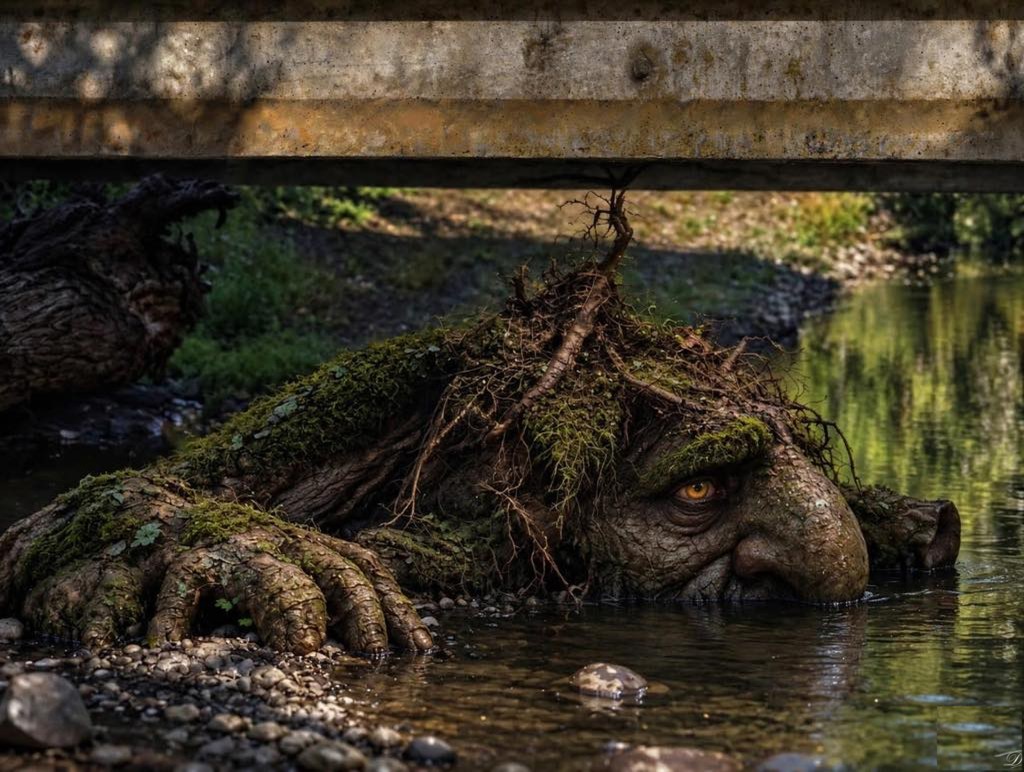
Science and nature: Use leaves, insects, rocks, clouds, water, textures, or outdoor photographs to explore ecosystems, biology, weather, structure, or environmental ideas.
Math: Use symmetry, geometry, patterns, proportion, scale, measurement, or structure found in real objects.
Language arts: Turn an image into a setting, character, story starter, descriptive passage, scene, or chapter concept.
Design and invention: Reimagine an ordinary object as a tool, machine, product, building, or future solution.
Communication: Use the finished project as the basis for speaking, writing, revision, and presentation.
9. Different devices, same idea
The method is flexible because it is not tied to one type of device. A school could adapt it to whatever it already has: laptops, Chromebooks, tablets, iPads, or phones where permitted. Students could type, speak, photograph, or begin from a rough sketch. The creative goal stays consistent even when the interface changes.
10. Students who may not shine in traditional formats
Some students have strong imagination but struggle to show it through traditional drawing, lengthy written assignments, slow multi-step software, or conventional classroom performance. A fast visual project may give some of these students another way to demonstrate strengths.
This should not be treated as a universal solution for ADHD, learning disabilities, anxiety, or any other individual need. But the format can offer short creative cycles, quick visible feedback, flexible modes of expression, and a concrete object for discussion – qualities that may help some students engage more fully.

11. The parent connection
A before-and-after visual project gives families something to talk about. A parent does not need to read a long assignment before asking meaningful questions. The picture itself opens the conversation.
What was the original photo?
What did you notice in it?
Why did you choose this idea?
Which part are you most proud of?
What did you change after seeing the first version?
What would you try next?
12. Challenges can make it playful
Short challenges can add energy without turning the classroom into a simple popularity contest. For example, everyone can receive the same image and make only one creative pass. Different categories can recognize different strengths.
Most original idea
Best preservation of the original object
Most believable transformation
Funniest or most surprising concept
Best explanation of choices
Most useful invention or solution
Multiple categories help students see that there is more than one way to succeed creatively.

13. Guardrails belong at the beginning
School use should be guided creativity, not “anything goes.” Age-appropriate safeguards, privacy rules, and clear classroom expectations should be designed into the activity from the start. Students can learn that art and imagination include beauty, humor, invention, nature, history, storytelling, science, and countless other forms of expression without relying on sexual or graphically violent content.
Use age-appropriate accounts, content controls, and school policies.
Do not upload personal or identifying information without permission.
Teach students to question AI output rather than accept it automatically.
Grade thinking, choices, revision, and explanation – not only visual polish.
Make access equitable so students are not rewarded merely for having better personal devices.
Keep the student as the decision-maker; AI should help express the idea, not replace the idea.
That is the educational promise of the format: not a shortcut around learning, but a faster route into active learning.
ANONYMOUS CONCEPT PAPER
Shared for discussion, experimentation, and adaptation by educators and families.

